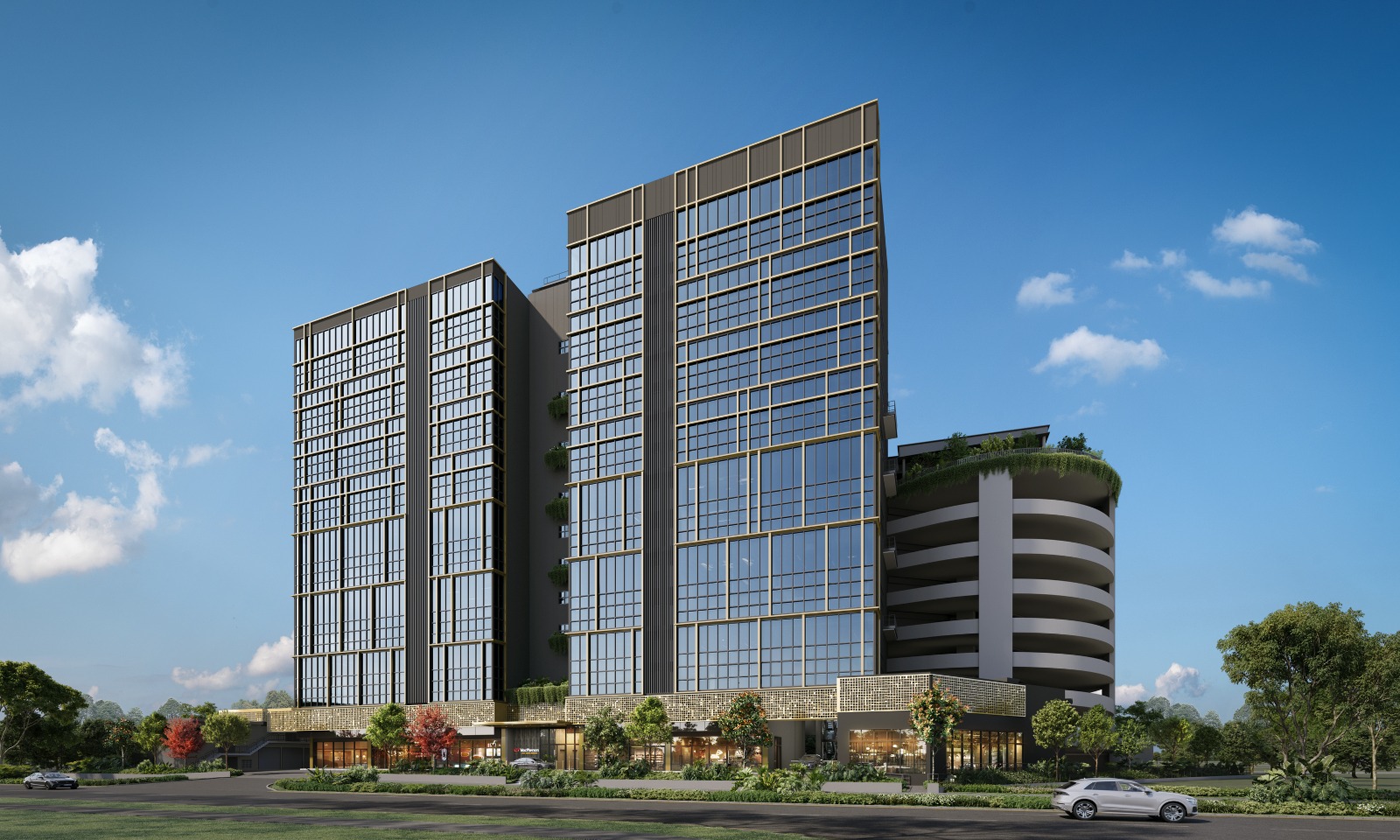
At CT Gold @ MacPherson, the team designed the showroom to deliver a clear and structured journey from the outset. It aligns closely with the project’s positioning as a freehold B1 industrial development. Instead of relying on visual impact alone, the space focuses on clarity, functionality, and well-paced content delivery. As visitors move through the gallery, the layout guides them step by step, ensuring they can follow the information without confusion.
Notably, CT Gold sold out in just two days as bulk buyers quickly snapped up units. This strong market response reinforced the importance of an efficient and well-organised showroom. In turn, the design supports faster understanding and more confident decision-making. Rather than overwhelming visitors with excessive visuals, the space presents information in a controlled and purposeful way.
To achieve this, Audax Visuals introduced a series of integrated digital solutions, including curved and animated lightboxes, virtual and VR-based experiences, and an interactive LED floor. Together, these elements create a cohesive and layered environment. More importantly, each feature plays a specific role. As a result, the overall experience feels structured, yet still engaging.
Where Visual Clarity Meets Engagement
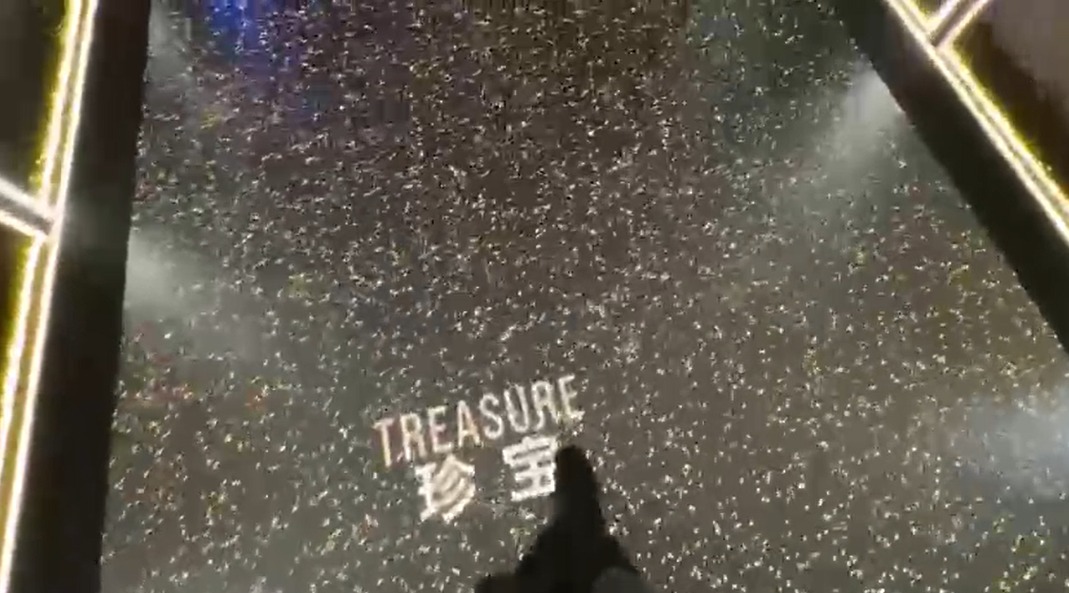
To begin with, one of the main highlights is the LED interactive floor, which introduces a responsive and dynamic layer to the overall visitor journey. As visitors move across the space, the system triggers motion-based visuals in real time, creating an immediate sense of interaction. Consequently, this feature not only encourages movement but also adds a layer of visual interest that keeps visitors engaged as they explore the showroom. At the same time, the content is carefully designed to remain subtle and refined. As such, it maintains a clean and professional atmosphere, thereby ensuring balance within the space without causing distraction.
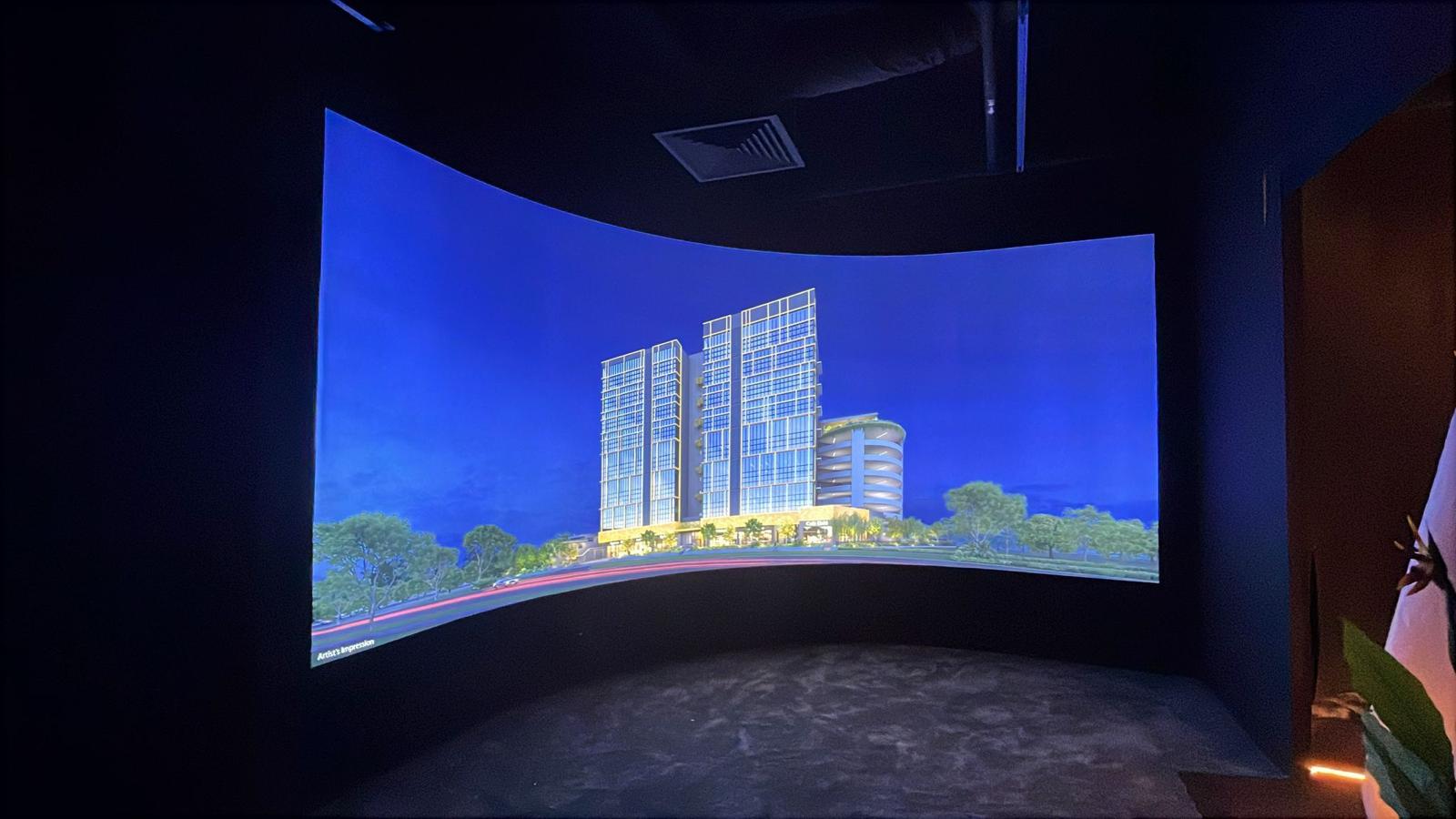
Following this, the curved lightbox creates an immediate and impactful visual statement within the showroom environment. By wrapping content around the viewer, it draws attention naturally and, more importantly, establishes a strong visual direction for the rest of the journey. At the same time, it presents architectural visuals in a continuous and seamless format, which in turn improves readability and enhances the overall visual flow. As a result, visitors can take in key imagery more comfortably, while also developing a clearer understanding of the project’s design intent and spatial qualities.
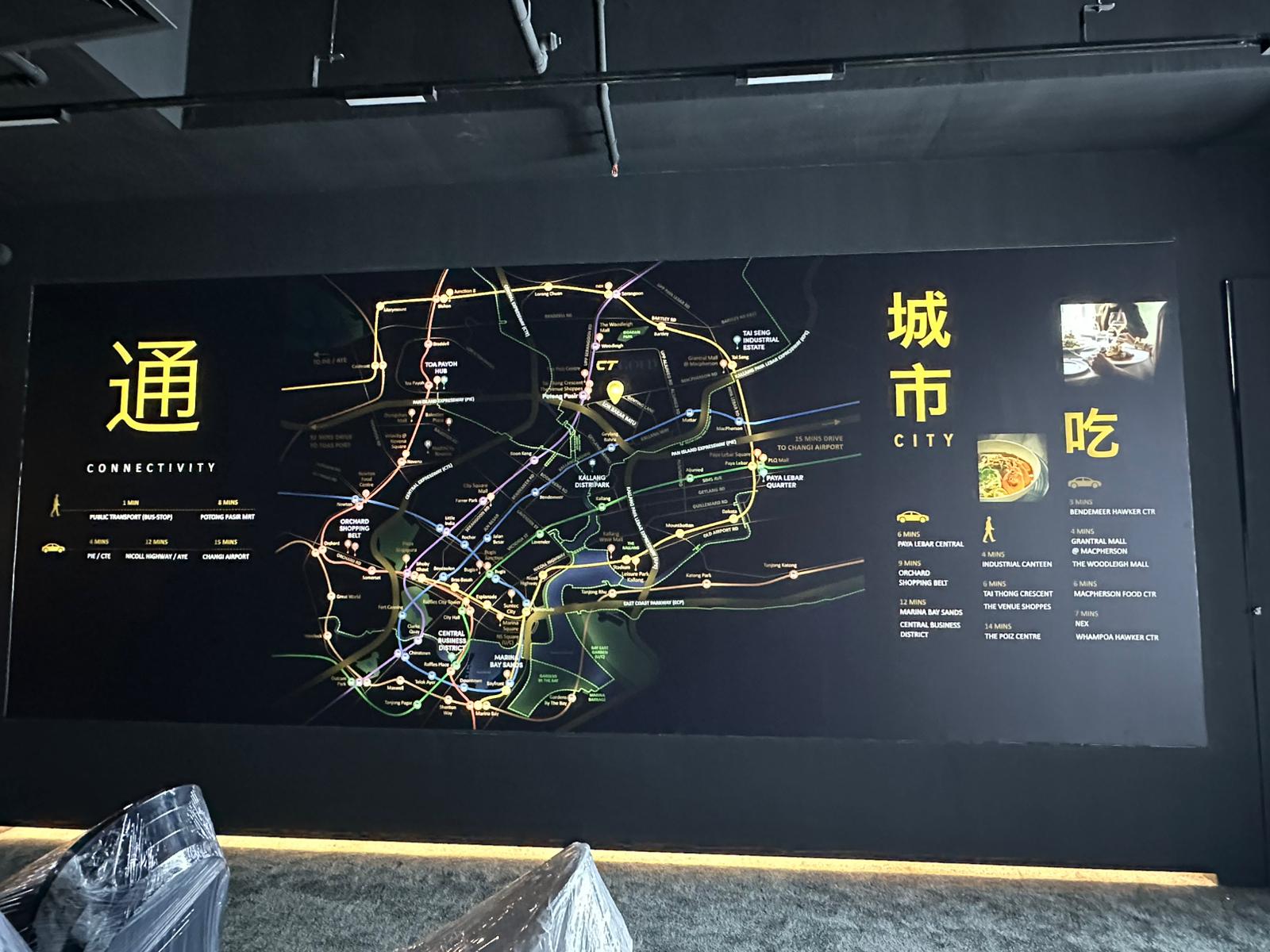
Building on this, the animation lightbox plays a key role in communicating important project details, such as connectivity maps, location highlights, and surrounding amenities. Instead of presenting all information at once, it introduces content progressively through motion and sequencing. Consequently, visitors can absorb information at a steady and manageable pace. In addition, this method improves clarity and retention, while also keeping the experience visually engaging. At the same time, it avoids overwhelming the viewer, thereby striking a balance between information delivery and visual appeal.
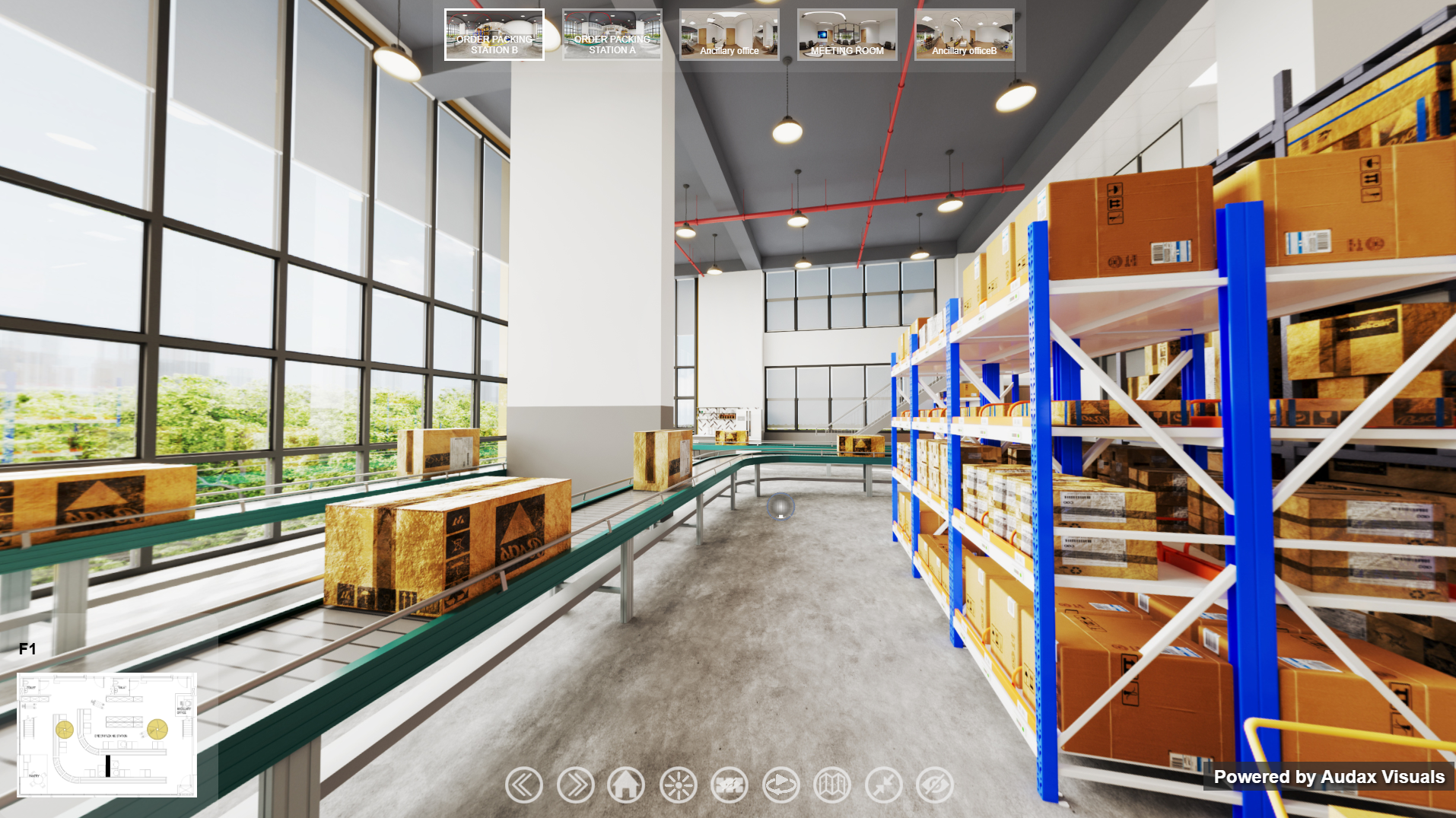
In addition, the virtual tour allows visitors to explore the development in a more realistic, immersive, and flexible way. Through this feature, users can navigate through spaces freely and at their own pace, which naturally encourages deeper engagement and exploration. As a result, visitors gain a clearer sense of scale, layout, and overall environment, even before the project is physically completed. Furthermore, this tool supports more effective discussions during guided presentations, as it provides a shared visual reference that both presenters and visitors can engage with in real time.
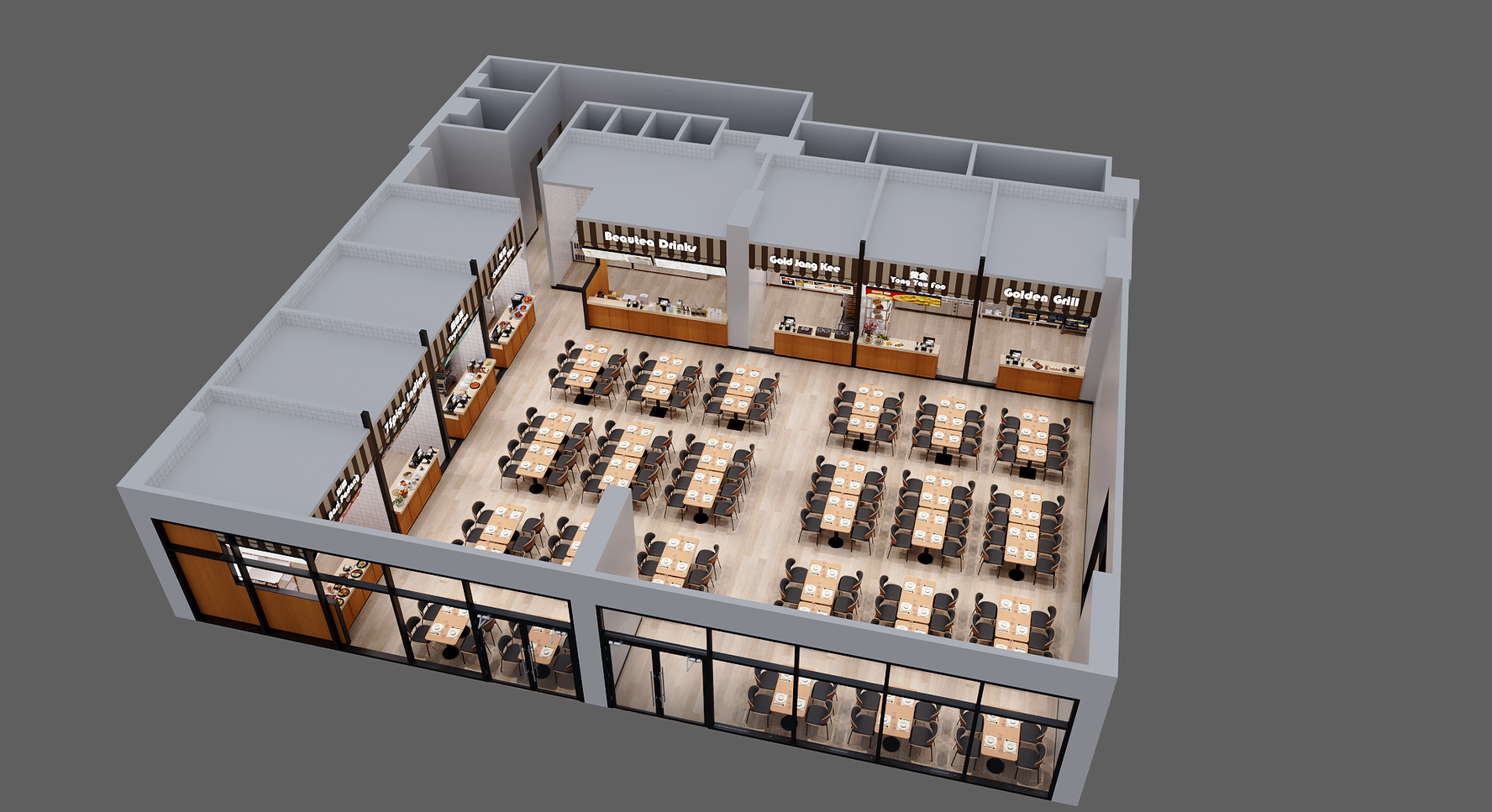
At the same time, the dollhouse 3D visualization provides a simplified yet highly effective overview of the development. In contrast to traditional floor plans or static diagrams, it translates complex layouts into an intuitive and easy-to-understand format. For instance, visitors can quickly grasp unit arrangements, spatial relationships, and overall building composition without needing technical interpretation. Therefore, it complements the other visual tools by adding clarity, structure, and accessibility to the overall presentation, making it easier for a wider range of audiences to understand the project.
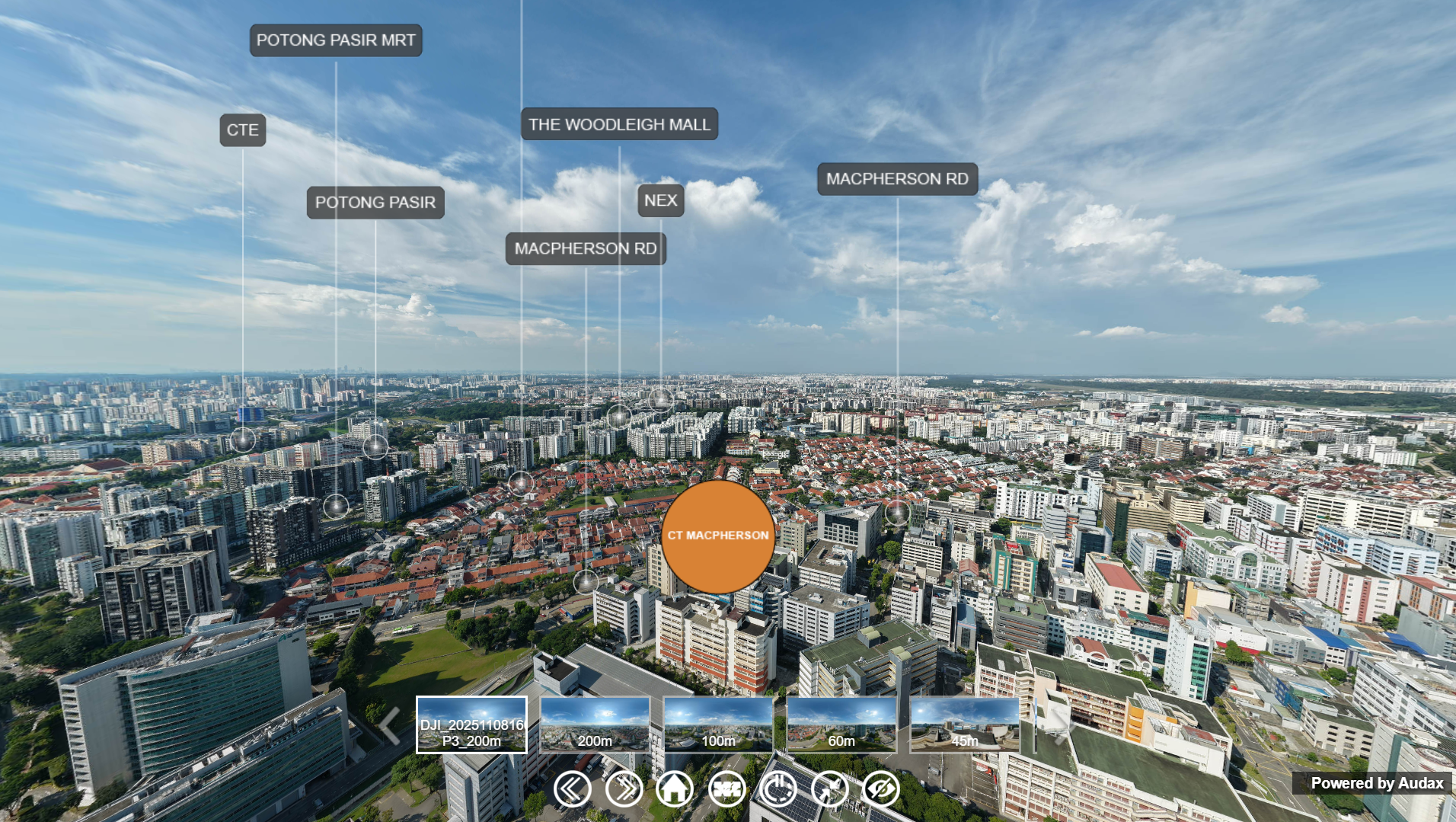
Meanwhile, the VR drone feature expands the experience beyond the showroom itself, offering a broader perspective of the project’s surroundings. In particular, it highlights nearby landmarks, infrastructure, and key connectivity points in a more engaging and immersive way. As such, visitors develop a stronger and more comprehensive understanding of the project’s location and accessibility. In turn, this additional layer of context helps reinforce the overall narrative, while also supporting more informed decision-making.
Shaping Better Showroom Experiences
Overall, the CT Gold @ MacPherson showroom demonstrates how teams can integrate digital and interactive elements with intent. Rather than treating each feature separately, the design brings them together into a cohesive journey. As a result, each feature serves a clear purpose while contributing to a structured yet engaging environment. By combining LED solutions, VR technology, and dynamic content, the showroom communicates information effectively while maintaining visitor interest.
Ultimately, this approach supports both clarity and engagement, which are essential in today’s showroom environments. Therefore, it creates a more efficient and impactful visitor experience.
If this sparks any ideas for your own showroom, feel free to reach out to the Audax team.
Audax Visuals
Delivering the Future of Workplace Tech
Explore our website & contact us at sales@audax.com.sg.